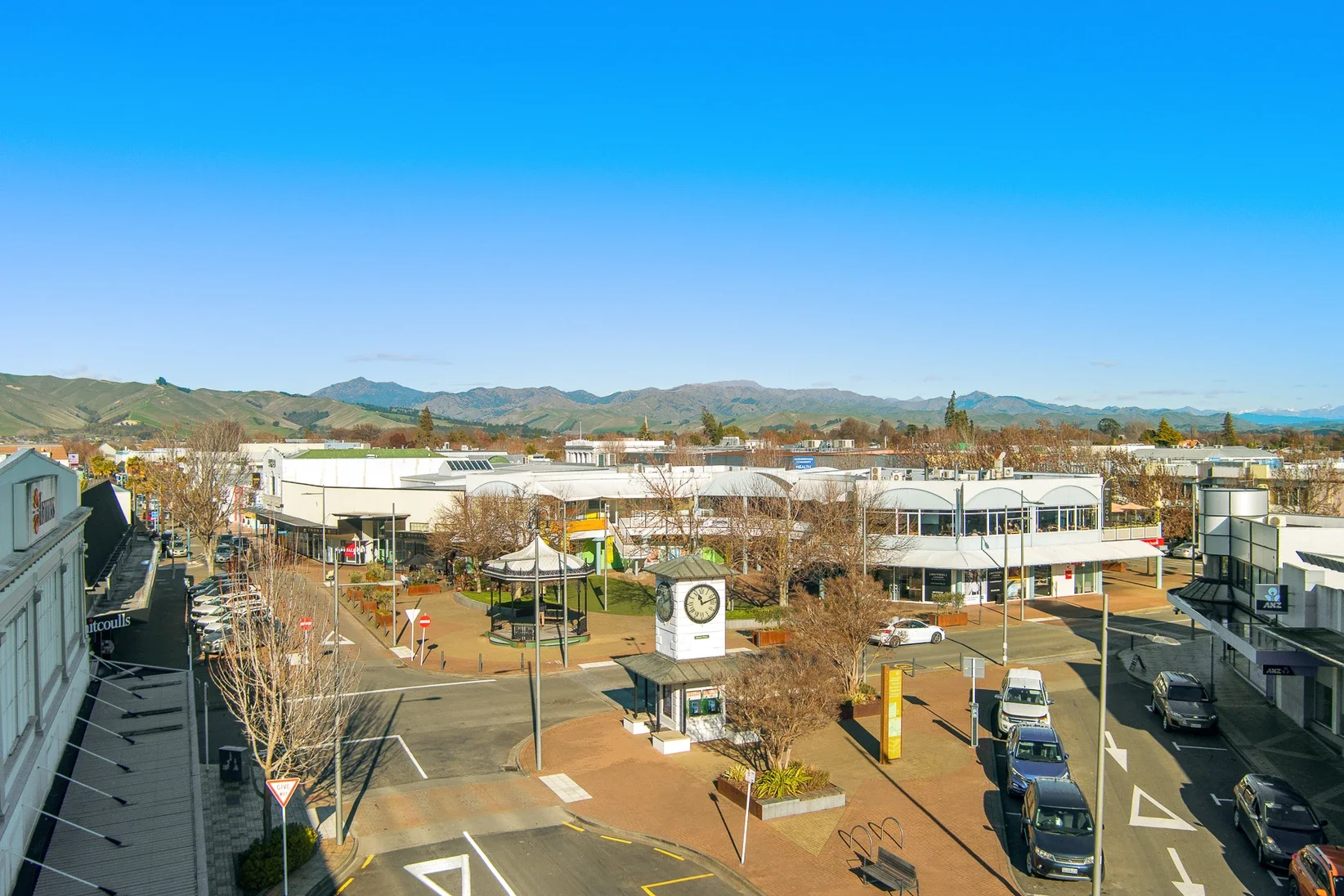
Main Street Health-Check, Blenheim.
How a main street performs shapes how a town performs.
A winter public life study of Market Street in Blenheim revealed a town centre shaped by convenience, short visits, and vehicle access — establishing a measurable foundation to guide future investment and track change
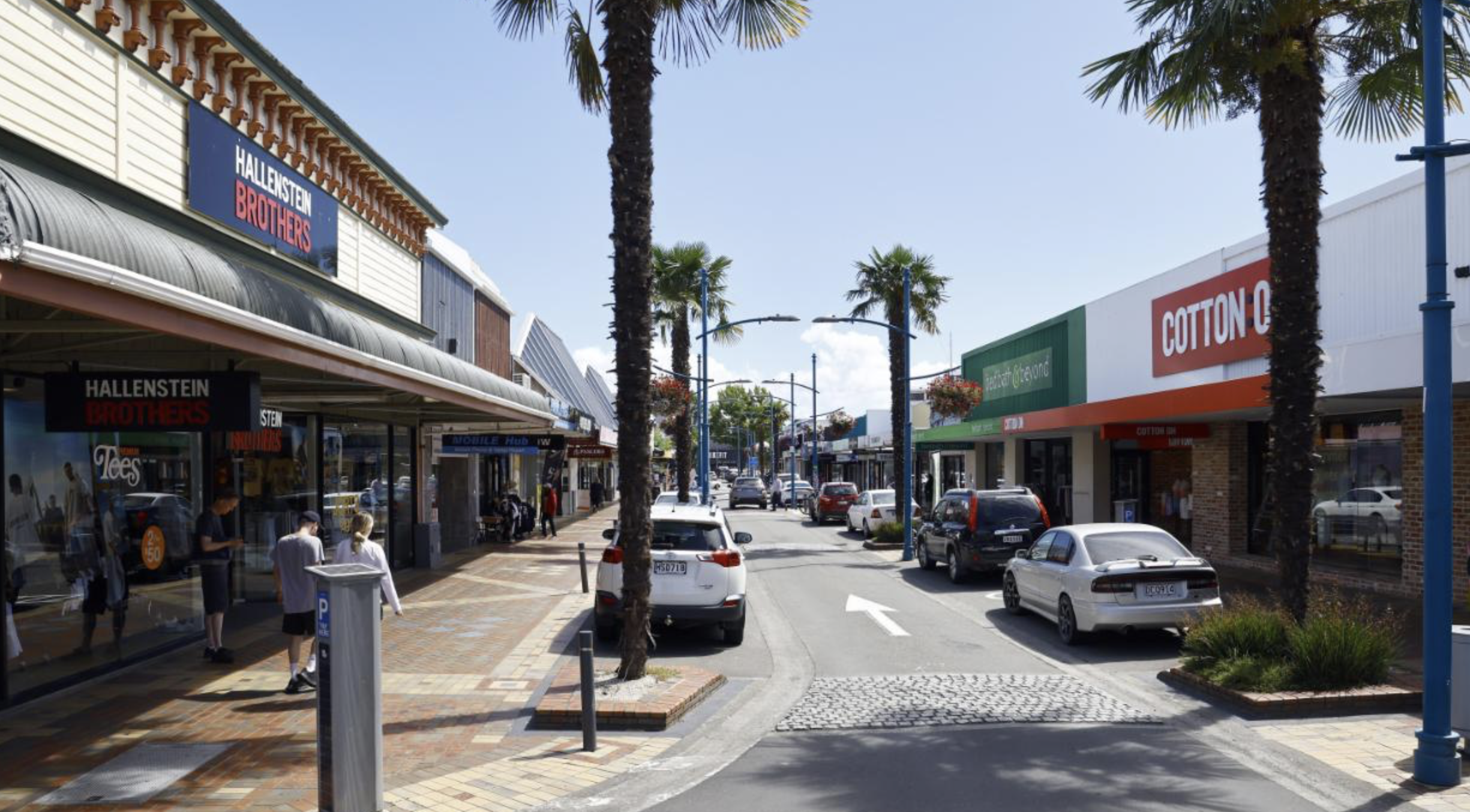
What we measured.
A structured, street-level observational programme captured both movement and commercial performance.
Captured:
Pedestrian volumes · Age and gender mix ·
Bicycle and scooter movements · Staying behaviour ·
Ground-floor retail occupancy and use ·
Main Street carpark turnover and duration
This created a clear benchmark for public life during a typical winter weekday — allowing future change to be measured against real conditions, not perception.
What the data revealed.
Pedestrian activity was low relative to comparable centres
Overall movement levels were modest, reinforcing the importance of targeted investment to strengthen town centre vitality.
Vehicle access strongly shaped how the street functions
Patterns of movement and visit duration indicated a centre largely oriented around convenience and short trips.
Limited staying activity
Observed dwell time was low. Most visits were transactional, with relatively few people pausing, socialising or using the street as a place to spend time.
Active frontages were limited
While retail occupancy was generally consistent, relatively few ground-floor premises actively engaged with the public realm through visual connection, seating, or spill-out activity.
Public life clustered in small pockets
Where comfort, shelter and active edges were present, behaviour changed noticeably — highlighting the role of design and amenity in shaping activity.
Walking dominated, but overall mobility diversity was low
Cycling and micromobility were present but minimal, suggesting an opportunity to support broader movement choices.
Carparking turnover supported short, functional visits
The Main Street carpark demonstrated steady churn, reinforcing the centre’s current role as a convenience-based retail destination.
Seasonality influenced behaviour
Winter conditions further reduced outdoor comfort, underscoring the importance of climate-responsive design.
Why it mattered.
The findings provide a clear and realistic baseline for future change.
Granular public life and commercial data identified:
• Where public realm upgrades could increase dwell time
• Where active frontages and activation could strengthen vitality
• How the centre currently functions as a convenience-based destination
• Where comfort and amenity improvements would have greatest impact
• Where walking and micromobility could be supported
• How seasonal variation shapes use of the street
Most importantly, the study establishes a measurable starting point.
Future interventions — whether streetscape upgrades, activation, or economic development — can now be tracked with confidence and clarity.