A Masterplan for Tāhuna Queenstown
Understanding the seasons reveals the full story.
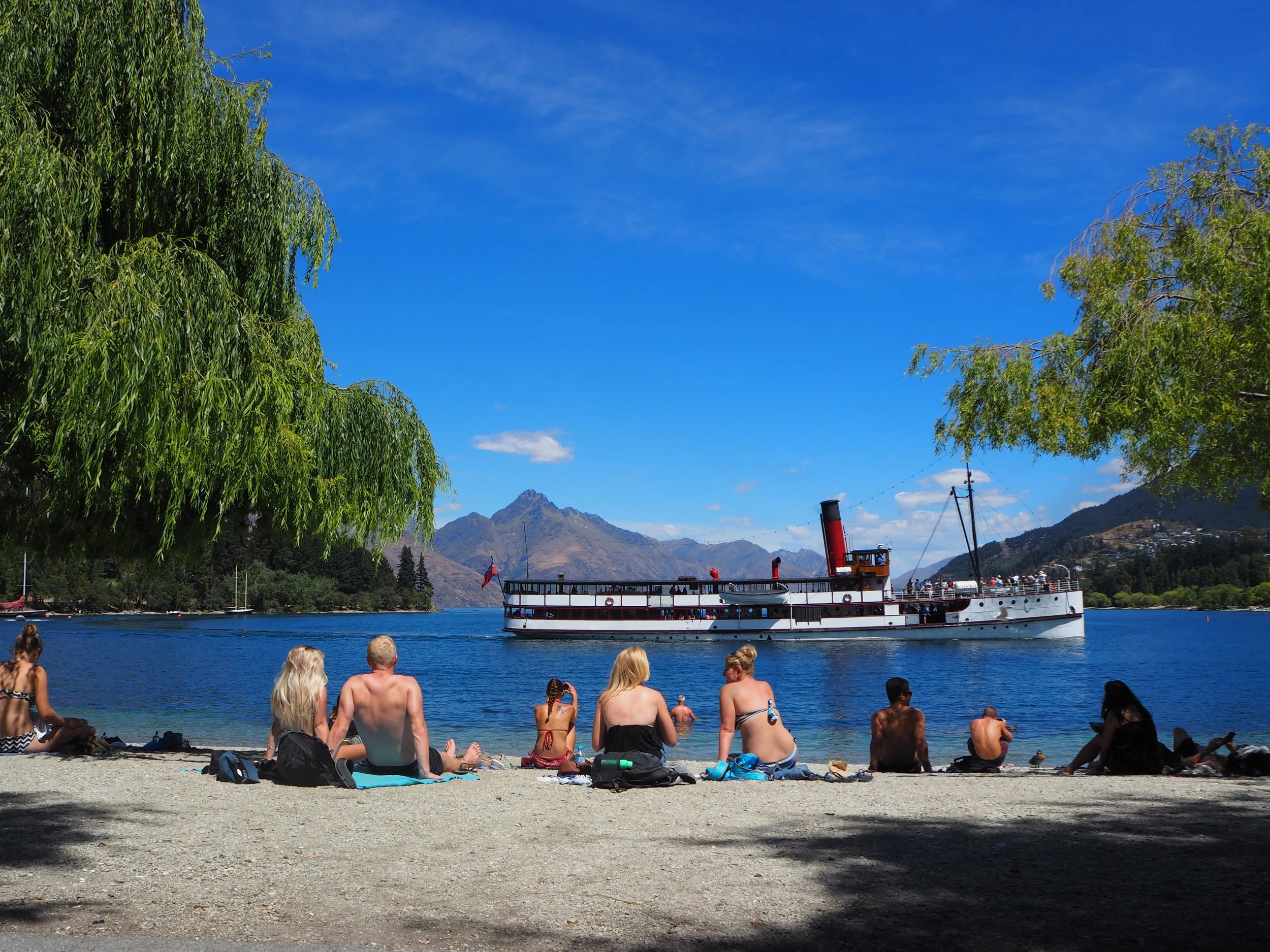
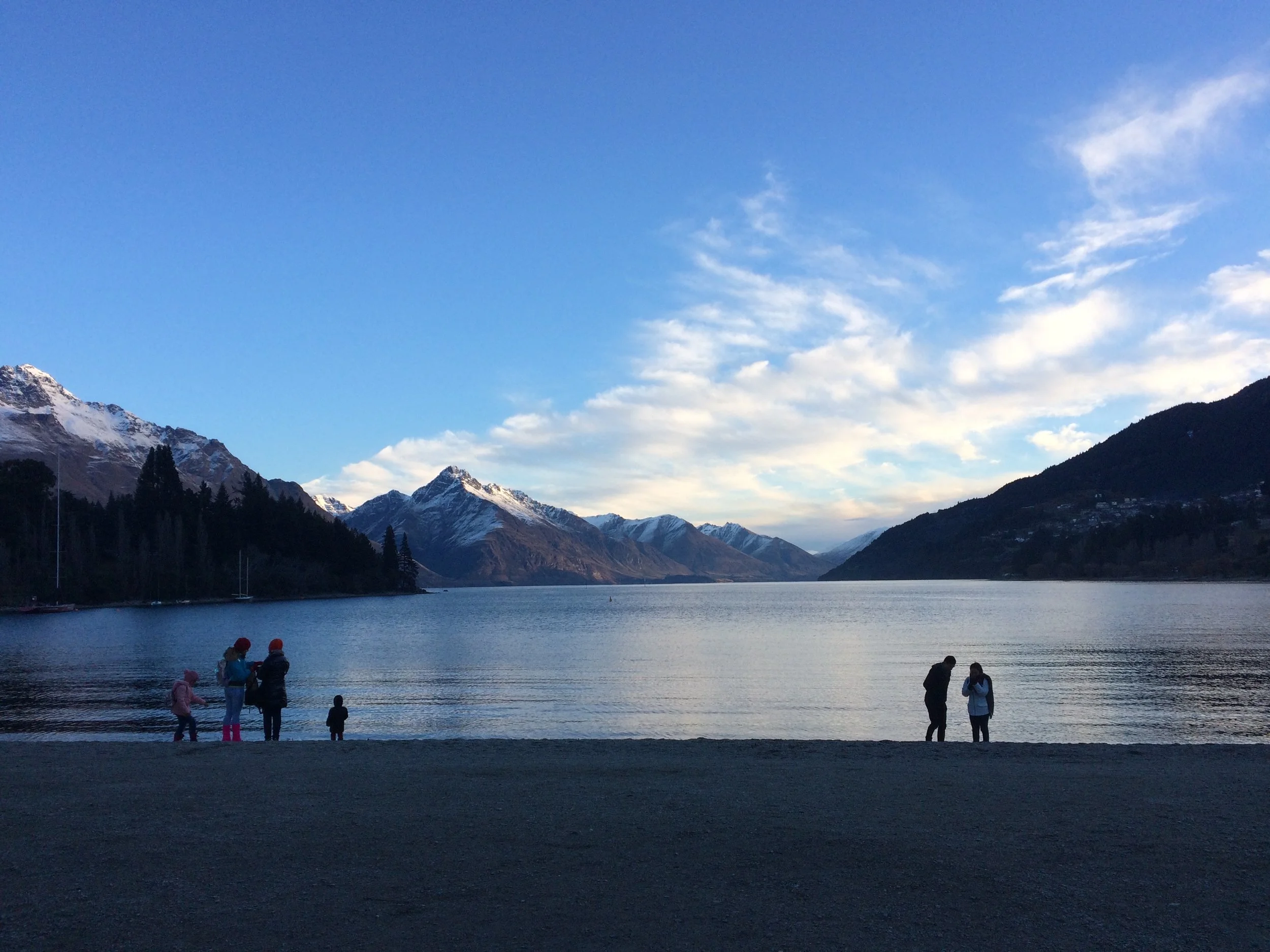
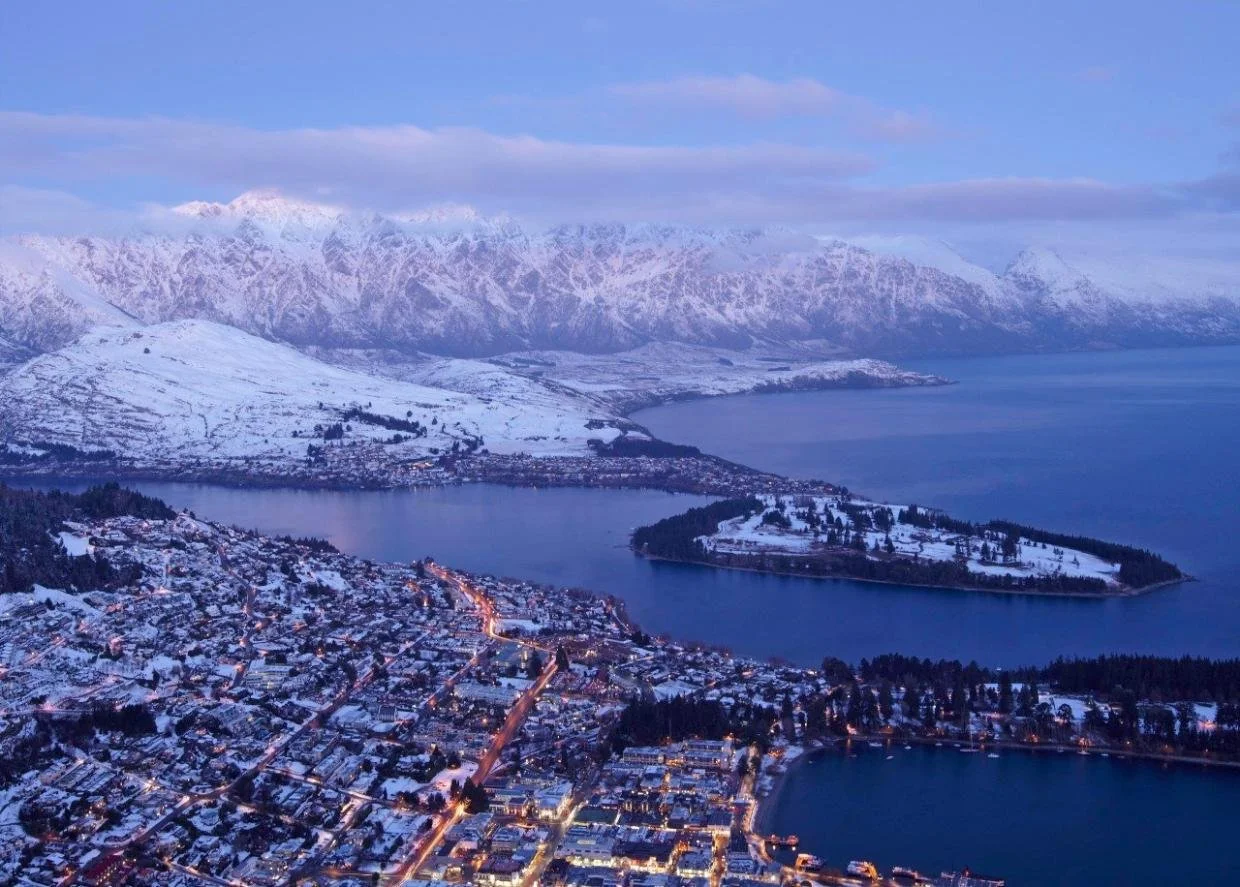
Ahead of the development of a new city centre masterplan, a comprehensive study was undertaken in Queenstown to understand how people use the centre across both peak summer and winter seasons.
The goal was to move beyond assumptions about tourism-driven variability and establish a robust, year-round evidence base to guide long-term investment and design.
What we measured.
A structured, street-level programme captured behaviour across contrasting seasons.
Captured:
Pedestrian volumes · Staying activity · Visitor mix · Seasonal and temporal patterns · Public space comfort · Cycling and movement behaviour · Traffic influence on activity
Observations were undertaken in both summer and winter, allowing direct comparison of public life patterns across peak visitor periods.
This created a consistent, comparable dataset to inform the masterplanning process and future monitoring.
What the data showed.
Seasonal variation was lower than expected
Despite strong tourism cycles, patterns of movement and use were broadly consistent across summer and winter.
Visitors shaped activity year-round
The centre functioned as a destination in both seasons, reinforcing the importance of high-quality public realm and walkability.
Traffic dominated the spatial experience
Vehicle movement strongly influenced how the centre operated, shaping comfort, safety and the quality of public life.
Staying activity concentrated in high-amenity locations
People paused and lingered primarily in areas offering views, shelter, and active edges.
Movement remained focused on key routes and nodes
Activity clustered along the most legible and comfortable pedestrian corridors.
Comfort and climate responsiveness mattered
Seasonal weather influenced dwell behaviour, highlighting the importance of adaptable and resilient public spaces.
Opportunities existed to strengthen the centre as a place to stay, not just pass through
Improved seating, activation and spatial continuity could support longer visits and stronger economic outcomes.
Why it mattered.
The findings reframed how the city centre was understood.
Granular, behaviour-led data identified:
• Where to prioritise public realm upgrades
• How to reduce the dominance of traffic and improve pedestrian experience
• Where investment could increase dwell time and economic value
• How seasonal design responses could support year-round use
• How visitor and local needs align more closely than assumed
By grounding strategic decisions in observable behaviour, across the seasons, stakeholders were able to focus on long-term resilience, quality and economic performance.