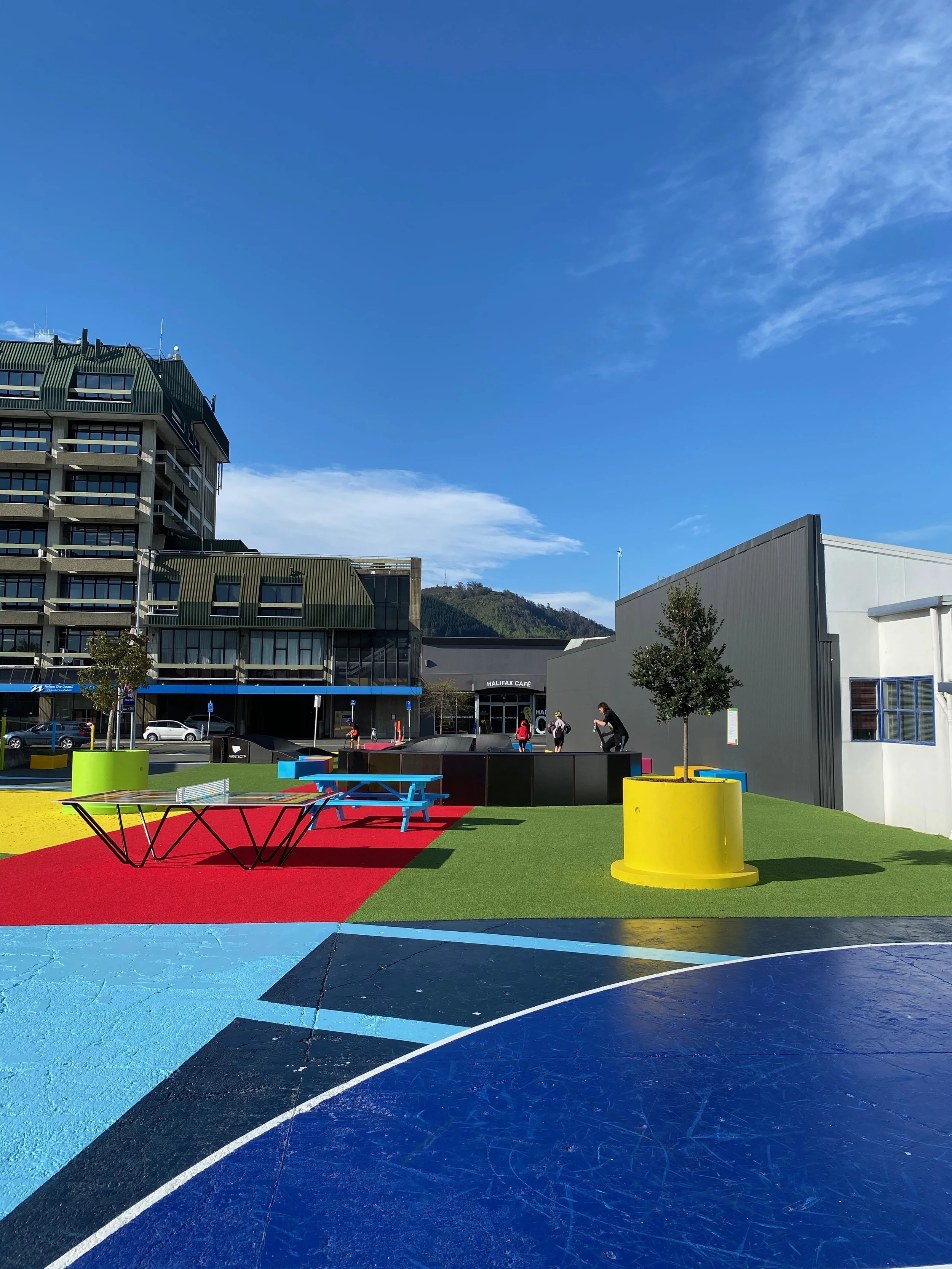
Building a Case for Investment in Whakatū Nelson
Regeneration gains momentum when it’s grounded by evidence.
A city-wide public life study was commissioned to understand movement, dwell behaviour and spatial performance to create a shared evidence base for regeneration and both public and private investment.
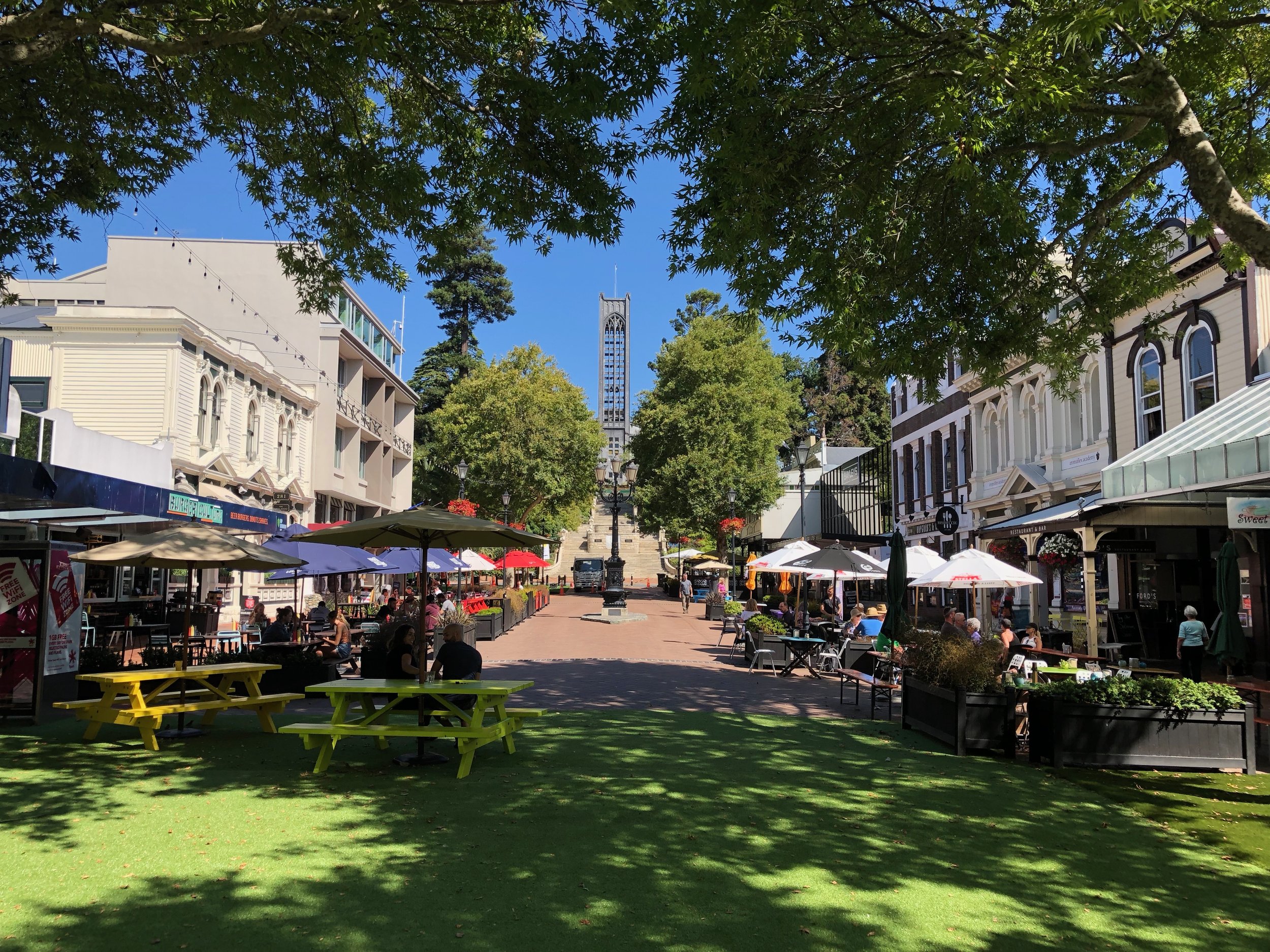
What we measured.
A structured street-level data programme combining observation with place assessment.
Captured:
Pedestrian volumes · Staying activity · Age & visitor mix · Time-of-day patterns · Public space comfort · Levels of service
This established a measurable baseline for long-term monitoring and moved decision-making beyond perception to comparable evidence.
What the data showed.
Movement concentrated on a small number of key streets
Secondary streets and laneways underperformed despite proximity.
Strong daytime role, limited evening presence
Activity dropped noticeably outside business hours.
Staying activity clustered in select spaces
Comfort and amenity directly influenced dwell time.
Tourism and local life intersected — but unevenly
Some areas supported both markets; others lacked alignment.
Clear patterns strengthened funding confidence
Observable evidence aligned council, businesses and partners.
Why it mattered.
Looking collectively at both the macro and granular data identified:
• Where to prioritise streetscape investment
• Where activation would extend activity into quieter areas
• Where public space improvements would increase dwell time
• Where funding proposals had strongest justification
The approach demonstrates how measurable data builds confidence and momentum in urban regeneration, wth lessons that are transferable to any centre seeking to align investment with how people actually use place.