
Beyond Footfall: Measuring Safety and Inclusion Through Age and Gender
Counts tell you how busy a place is. They don’t tell you who feels comfortable being there. Increasingly, practitioners are turning to age and gender composition as practical, observable indicators of how safe and inclusive a public space actually is.
There is a strong evidence base behind this approach. Studies consistently show that women report significantly lower perceived safety than men in the same settings. One large-scale analysis using street imagery found that 63% of urban scenes were perceived as unsafe by women, compared to 23% by men. Findings like this reinforce a simple but important point: a space can be busy, but not broadly comfortable or inclusive.
These differences translate directly into behaviour. Research shows that perceptions of safety influence where people go, when they travel, and how long they stay. As a result, the presence (or absence) of certain groups becomes meaningful. A balanced gender mix, particularly across different times of day, is often interpreted as a signal that a place feels usable and accessible to a wider cross-section of the community. Where that balance is missing, it can indicate that something is limiting broader participation.
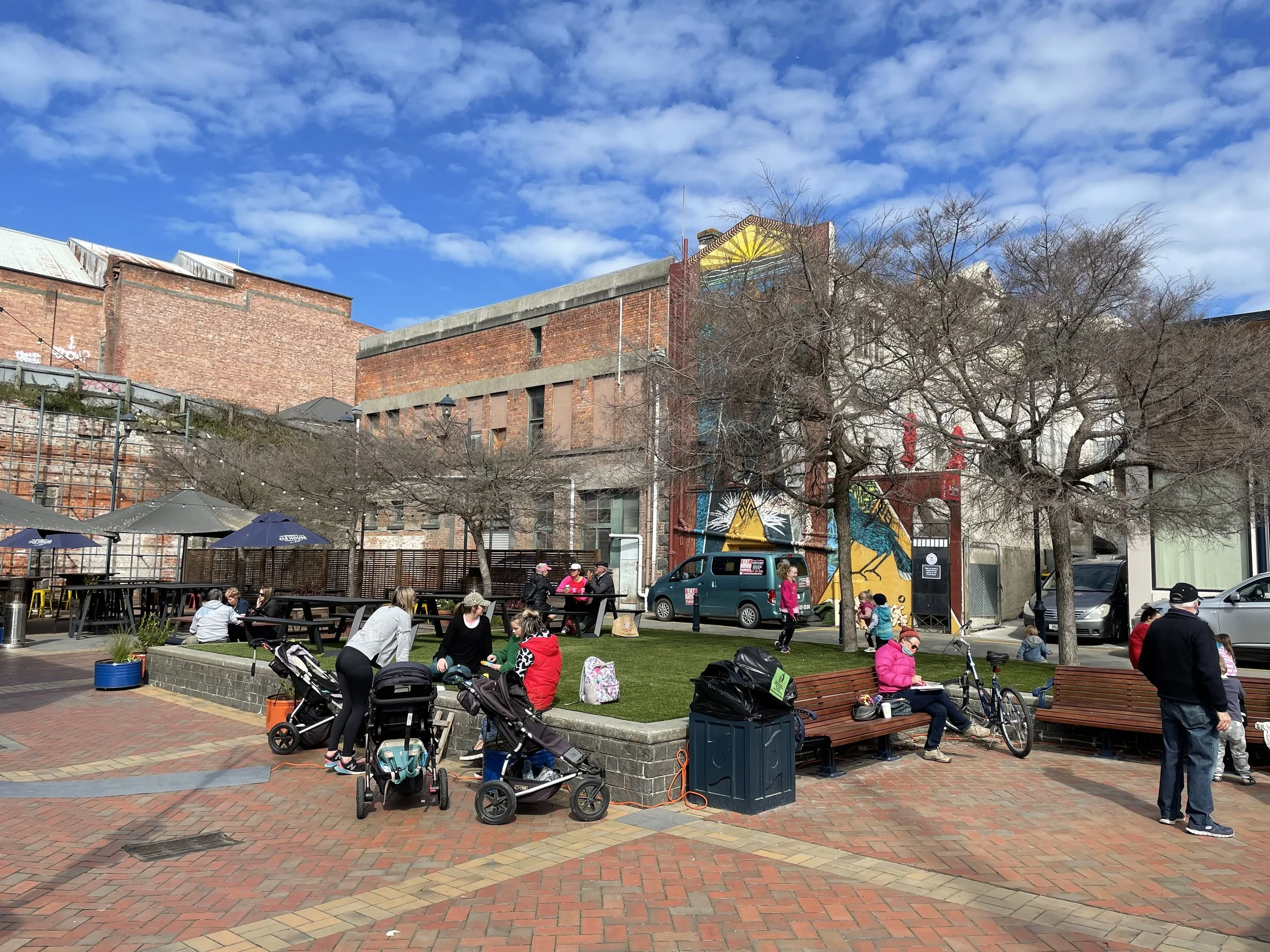
Age adds another important dimension. Different age groups experience public space in different ways, and this is reflected in how they use it. Environments that attract a mix of children, young people, and older adults tend to be perceived as more welcoming and inclusive. Conversely, spaces that are dominated by a narrow age band can point to underlying barriers that are shaping who feels comfortable to be there.
There are, of course, many reasons why people may feel unsafe in public space, ranging from environmental conditions, to social dynamics, to time of day and past experience. The role of data is not to assume the cause, but to reveal the pattern. By systematically measuring age and gender composition over time, it becomes possible to identify when and where participation drops off, and for whom. That, in turn, provides a clear starting point for further investigation and targeted action.
From a measurement perspective, age and gender offer a unique combination of insight and scalability. Unlike surveys, which can be episodic, age and gender characteristics can be captured continuously through sensors or structured observation, building a longitudinal picture of how a place performs. They act as proxies for broader questions around safety, comfort, and inclusion, which helps move the conversation from assumption to evidence.
Ultimately, the value of these metrics lies in what they make visible. Not just how many people are using a space, but whether or not it works for a diverse cross-section of the community. For those responsible for public places, the shift from volume to composition provides a far deeper basis for understanding performance and deciding where to focus next.